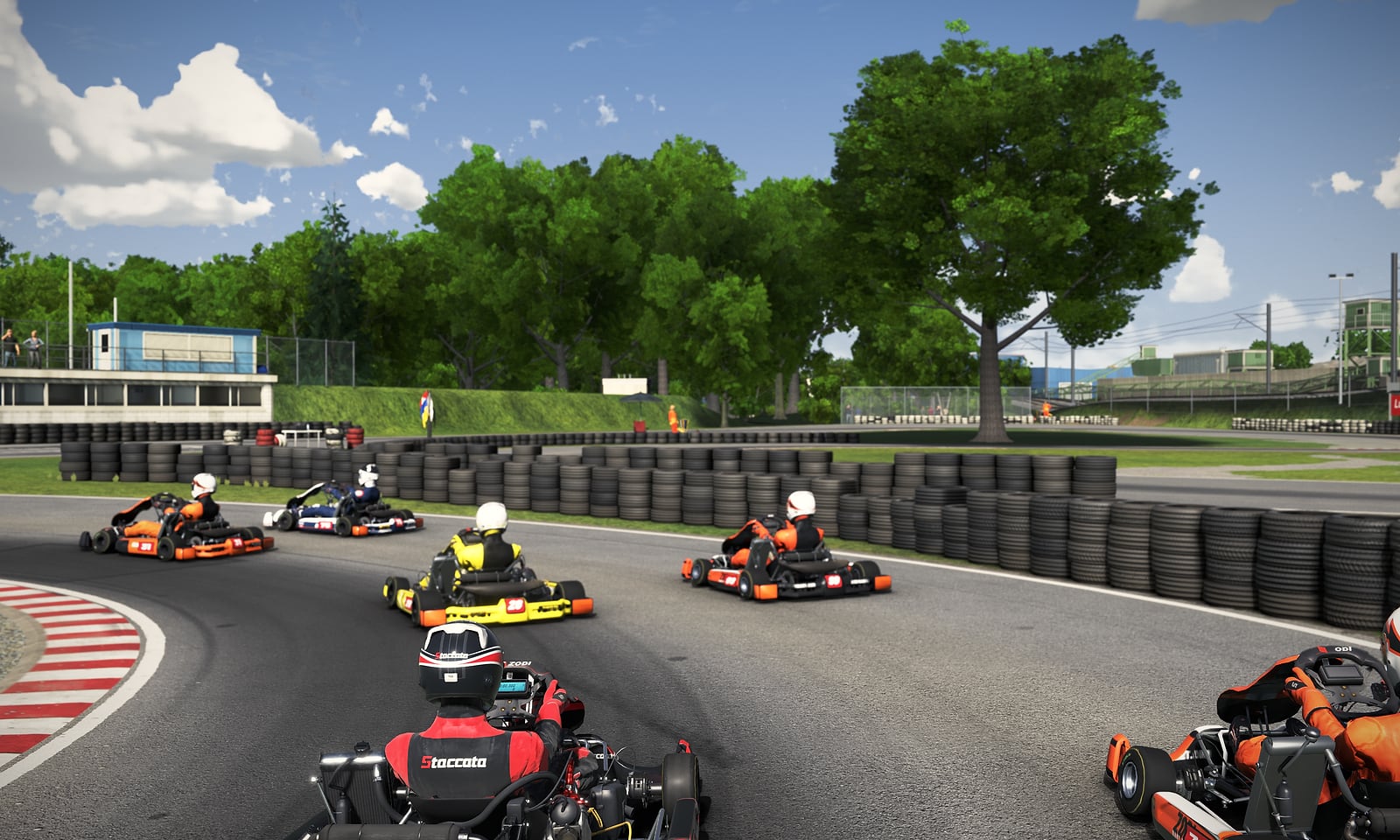
Your first race weekend is mostly an exercise in not being late. Kart meetings run to a tight timetable with short sessions, and the paddock rhythm is unforgiving of anyone who has not read the schedule. Here is the shape of the day and the language it is conducted in.
| Session | What happens |
|---|---|
| Scrutineering (technical checks) | Before you run: the kart, engine, bodywork and your personal safety gear are inspected against the regulations. Bring the helmet, suit, collar and licence. |
| Free practice | Usually several short sessions on Saturday. Bed in brakes, check gearing, build a baseline setup and learn the circuit. |
| Qualifying | One short session, often only 6–10 minutes, that sets your grid. A single clear lap matters more than a long run, so find space. |
| Heats | Short races that shuffle the grid. Your results across the heats determine your pre-final start position. |
| Pre-final | A longer race that sets the grid for the final. |
| Final | The one that counts for the championship. |
| Post-race checks | Weighing, engine seal checks, fuel samples and technical inspection of the finishers. |
Two paddock terms you will hear constantly. Parc fermé is the closed area you must go to immediately after a session: you drive in, the kart is impounded and no one may touch it without permission. Weighing happens there: you stay with your kart, in full gear, until you are released. Scrutineering is the technical inspection itself, before and after running.
Your transponder is the small electronic unit that records your lap times. It is either your own or rented from the organiser, must be mounted where the regulations say (under the CIK-FIA rules on the back of the seat, as low as possible) and must be charged. A dead transponder means no lap times, which can mean no qualifying result at all.