The kart

Tyres: the only thing touching the track

Compounds, slicks vs rains, heat cycles, cold vs hot pressure, reading wear and graining, and storage.

Lesson 09/23 · 9 min · Basics

Lesson

09/23

Duration

9min

Level

Basics

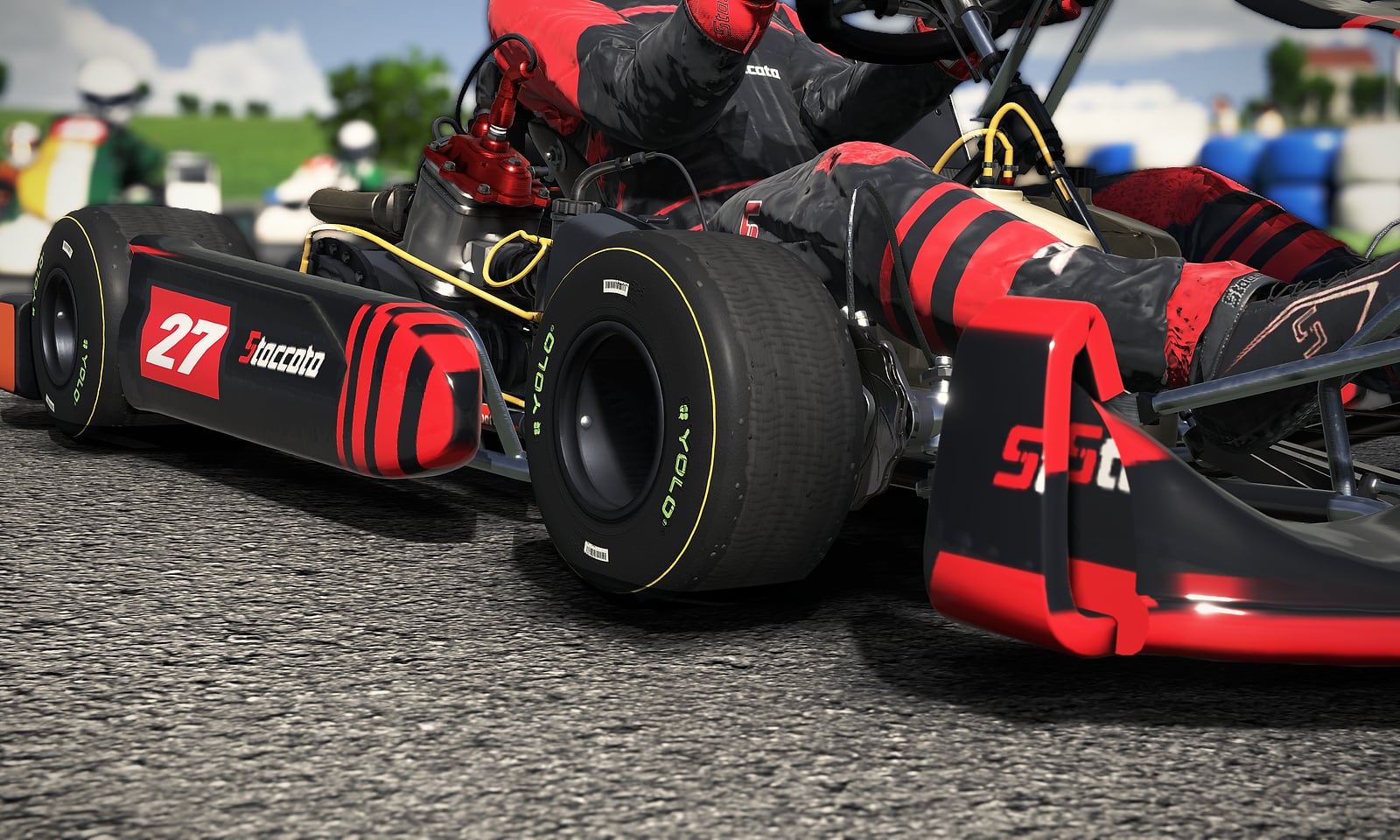
Four contact patches roughly the size of your hand carry everything you do. Tyres are also the largest recurring cost in karting, so understanding them saves both lap time and money.

Kart slicks come in compounds from very soft to hard, designated by the manufacturer with codes. A softer compound generates more grip and warms up faster, but it degrades quickly and can go off within a race distance. A harder compound takes longer to reach temperature but holds performance for far longer. Most series specify a single control tyre, so your job is not choosing a compound but getting the one you are given into its working window and keeping it there.

hot pressure (bar) →grip →[ too low:rolls onto theshoulder, grains ]≈ 0.72–0.88 bar hotworking window[ too high:greasy, slideslate in asession ]0.60.70.80.91.01.1
The tyre works in a window of temperature and hot pressure. Outside it you lose grip in both directions.

Key takeaways

  • Hot pressure is what the tyre works at: on many slicks roughly 0.72–0.88 bar, but check the manufacturer's guidance.
  • Raise cold pressure for quick warm-up and qualifying; lower it for consistency in a long, hot final.
  • Heat cycles harden rubber: scrub new tyres in and save fresh sets for the sessions that count.
  • Graining means sliding while too cold; blistering means too hot.
  • Rains need heat and the wet line off the rubber. Go to them early rather than late.

Check yourself

Question 1/4

It is a hot day and the tyres go greasy after five laps of a fifteen-lap final. What is the most sensible change?

4 questions · 75% to pass